The best place to start with heat protecting your garden is with the soil. Healthy soil acts like a sponge. It holds onto moisture during dry weather but still lets excess water drain away after heavy rain. This gives your plants the best chance of staying healthy, whatever the forecast.
Different soils have different challenges. Clay soil tends to stay wet for longer and can become hard and cracked during a heatwave. Sandy soil drains quickly but dries out just as fast. The good news is that both benefit from the same simple solution: adding plenty of organic matter.
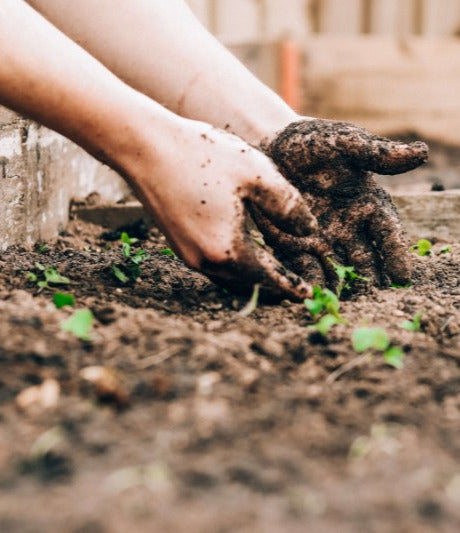
Working peat-free compost into your borders every year gradually improves the structure of your soil. Over time, it helps clay soils drain better and sandy soils hold onto moisture for longer. It also encourages earthworms and beneficial microorganisms, which naturally keep your soil healthy. Adding a generous layer each autumn is a simple habit that pays off year after year.
Mulch – the magic ingredient to help your garden cope
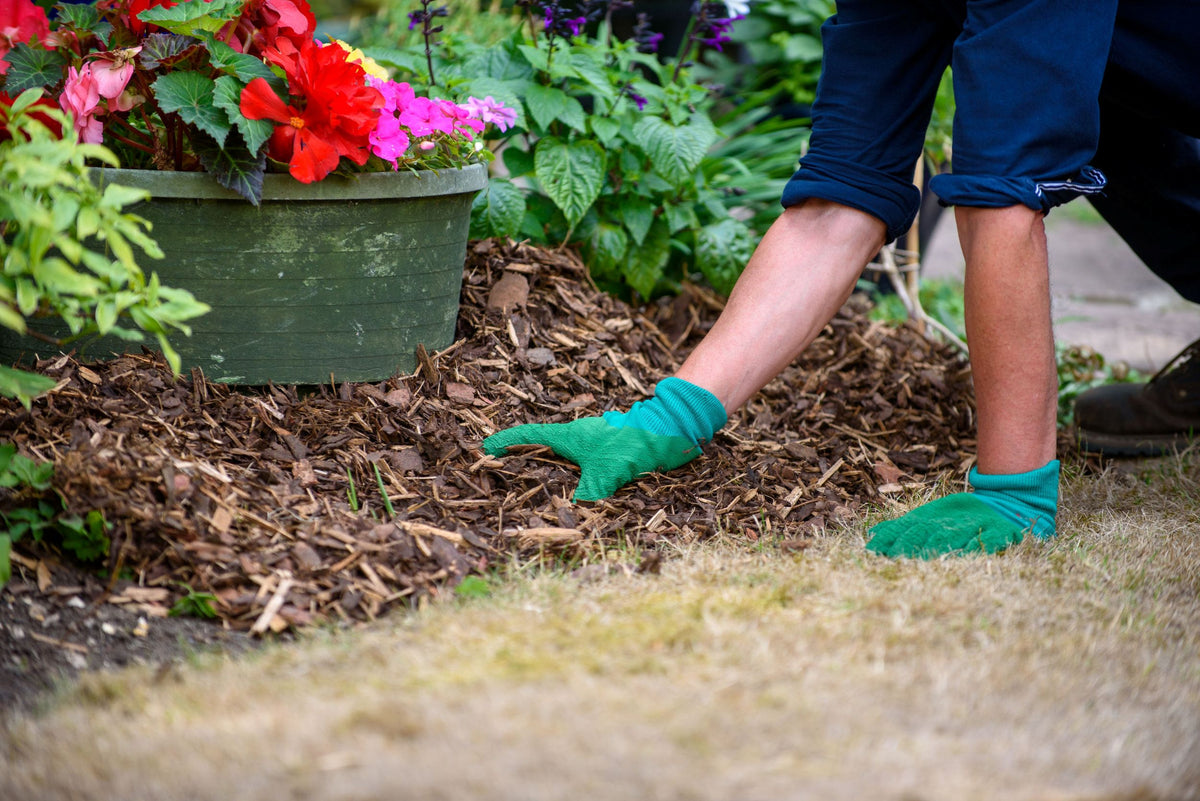
If you're looking for one easy job that delivers big results, mulching is hard to beat. A layer of bark mulch spread over the surface of your borders helps lock moisture into the soil during hot weather, meaning plants need watering less often and stay happier for longer.
When heavy rain arrives, mulch also helps protect the soil from being washed away or becoming compacted. As an added bonus, it keeps weeds down, so your plants aren't competing for water and nutrients.
Aim for a layer around 5–7cm deep. Apply it in spring once the soil has warmed up and top it up in very hot spells and then again in autumn so it can naturally break down and feed the soil beneath.
Make the most of moisture
When heavy rain falls, it's easy for water to run straight off the surface before your plants have a chance to benefit from it. A few simple changes can help your garden make better use of rainfall.
- Raised beds filled with healthy, compost-rich soil absorb water more easily.
- Avoid walking on your borders where possible, as compacted soil doesn't drain as well.
- If your garden slopes, shaping beds so water naturally flows towards plants can also make a noticeable difference.
- During dry weather, grouping plants with similar watering needs together makes looking after them much simpler. You'll use water more efficiently and avoid overwatering plants that prefer drier conditions.
Choose the right plants
The easiest plants to look after are usually the ones that suit your garden.
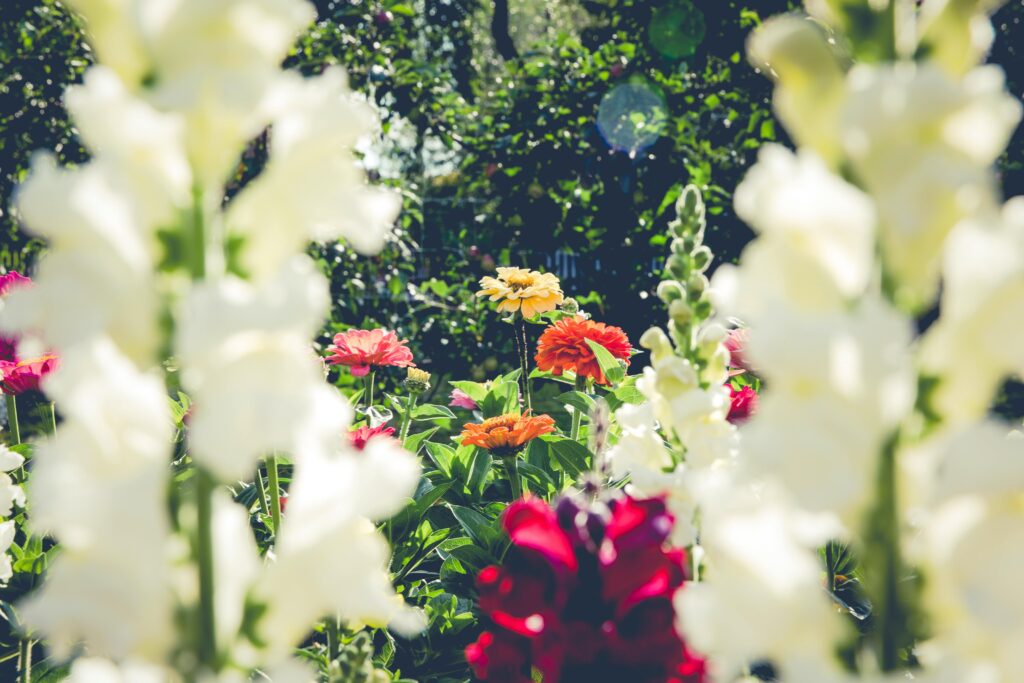
Chose hardy perennials that cope well with both warm summers and cooler winters. Plants such as lavender, salvia, echinacea, sedums and ornamental grasses bring plenty of colour while needing less watering once established.
That doesn't mean your garden has to be less exciting. These plants can create beautiful displays that return year after year with very little fuss.
Even the toughest plants, though, will perform better when they're growing in healthy soil, so it's always worth getting the foundations right first.
Don't give up on your lawn
It's normal for lawns to struggle during a heatwave. Grass often turns brown as it protects itself from drought, but that doesn't always mean it's dead. Once cooler, wetter weather returns, most lawns recover surprisingly well.
To give yours the best chance, aerate compacted areas in autumn, add a light dressing of quality topsoil and overseed any thin patches before winter arrives. A little care at the end of the season can make a huge difference by spring.
Work with your garden, not against it
Every garden is different – all part of the fun of gardening! Rather than trying to force your garden to behave in a certain way, spend some time getting to know it. Notice where the soil dries out first, which areas stay damp after rain and which plants seem happiest where they are.
Seeing what works in your green space will help you make better decisions over time.
Building a heat resilient garden doesn't happen overnight. It's about making simple improvements that work together: healthy soil, a good layer of mulch and plants that suit your space.
With those basics in place, your garden will be better prepared for heatwaves, heavy rain and everything else the British weather brings. Which means you can spend less time worrying about your garden and more time enjoying it.