Whether you have a spacious garden or just a windowsill, you can cultivate your own herb garden. This step-by-step guide will walk you through the best herbs to grow, and how to make and maintain your own herb garden.
Benefits of having a herb garden
- Freshness: Home-grown herbs are always fresh, ensuring better flavour and nutrition.
- Cost-effective: Save money by growing your own herbs instead of buying them.
- Convenience: Having herbs on hand means no more last-minute trips to the shop.
- Aesthetic appeal: Herb gardens add greenery and beauty to any space.
- Better for the environment: Growing your own herbs reduces the need for plastic packaging and transport.
Easy-to-grow herbs
Here are some herbs that are easy to grow for your herb garden:
- Mint: Mint is easy to grow but can get a bit out of hand. It's usually better to grow mint separately in its own pot!
- Parsley: Parsley is an easy herb to grow and is used in plenty of dishes, so you’ll soon be rewarded by having this in your herb garden – it is an annual herb so will complete its lifecycle in a season.
- Basil: Essential for pesto and pairs well with tomatoes. Basil thrives in warm weather – and smells delicious on a patio or windowsill.
- Thyme: A hardy perennial with small leaves and a strong, earthy flavour.
- Rosemary: Woody and aromatic, rosemary is perfect for roasting and grilling.
- Chives: With a mild onion flavour, chives are perfect for garnishing.
How to make a herb garden
Once you’ve picked which herbs to grow, there are some useful steps to follow to create a simple herb garden for your space.
Choose the right location
Herbs generally like the sun, so find somewhere with plenty of light. Or don't forget that herbs love a sunny windowsill.
Find the right container
Once you have picked the perfect spot, you need to find the right container. There are plenty of options from a raised bed or small flower pot to a large tub. If you're growing herbs indoors Kitchen Counter Herb Pots are a great option!
Add drainage
Any rain or water will need to go somewhere, so if needed make some small holes in the bottom of your container so it can easily drain away.
Add a weed barrier
You can use a mesh weed cloth on the bottom of your herb garden, or just layer some ripped bits of cardboard and give things a good soak!
Add your soil mix
Pop in a good quality soil - a mix of potting compost and multi-purpose topsoil can work well. Add a final layer of topsoil to finish things off. You can also add some sand into the mix to give the soil more drainage.
Position your herbs
If you are planting herbs that are already established, or which you've grown from seed, leave them in their pots whilst you work out what works best where. If you have hanging herbs, like thyme, position to the side of the container so they can tumble over the edge.
Plant the herbs
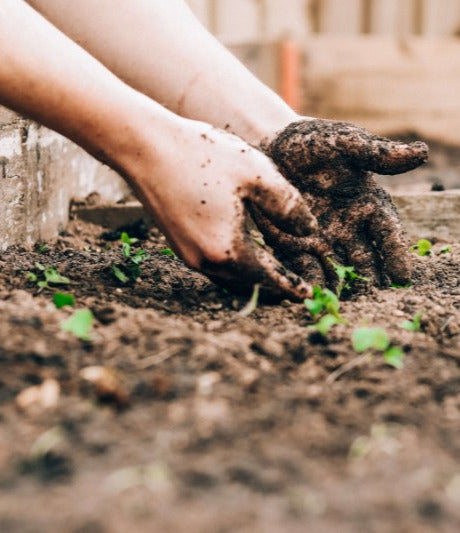
When you have found the best position for your herbs, dig a hole for each one, place the herb root inside and cover them back up with the compost/topsoil mix. Press the soil firmly down so the herbs are nice and snug and water well!
Maintaining your herb garden
Now you have your herb garden planted, it’s a good idea to know how to maintain it so you can make the most out of your herbs for as long as possible. Here are a few tips:
Pest Control: Slugs might want to join the party, so crushing up some egg shells and scattering them over the soil is a great and organic way to keep them out of your garden!
Pruning: Trim herbs to prevent flowering and to encourage bushier growth.
Don’t overwater: Most herbs like sunnier climates, so try not to over water them. If it is the rainy season, try to cover up your garden if you can.
Spring prune: In the spring, give your herbs a good prune by cutting off any dead stems and cut back any perennial herbs by a few inches to promote bushier growth.
Earth Cycle organic gardening products
We have all the topsoil, compost, and soil conditioners you need to grow a successful and thriving herb garden.