A garden that gives something back
Traditional lawns and ornamental beds often need lots of effort: mowing, feeding, watering and weeding. A wildflower space asks for much less!
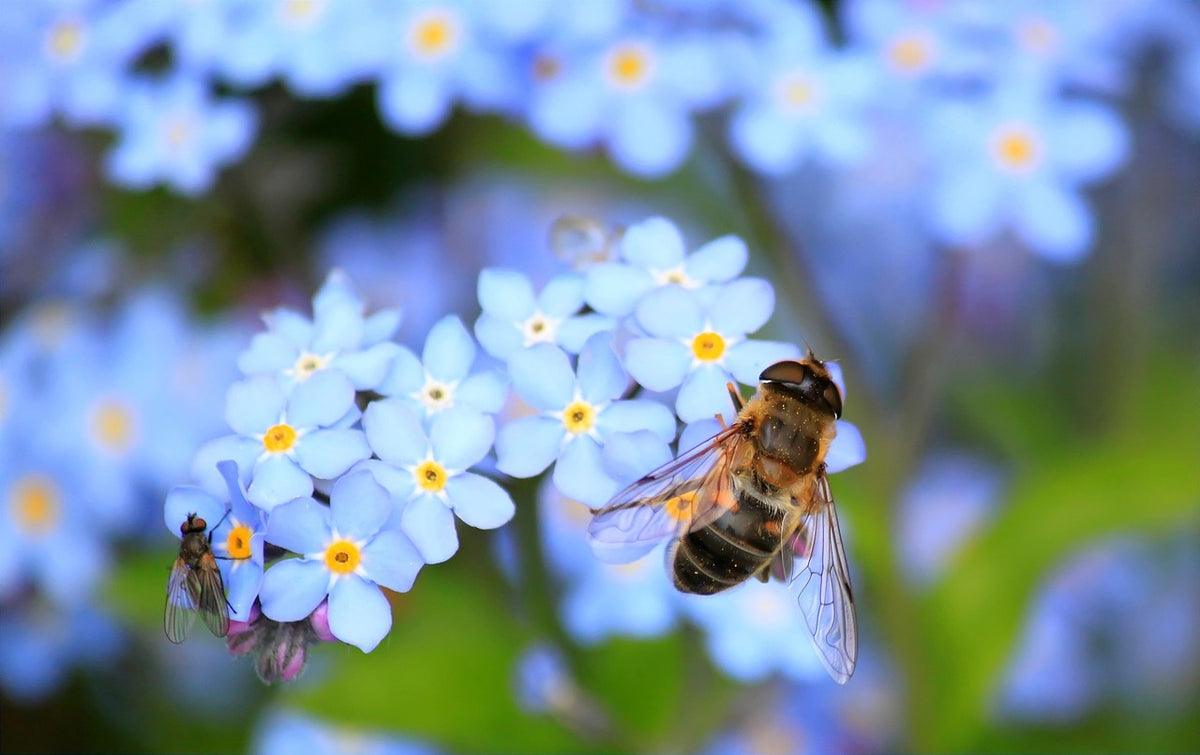
Once established, a wildflower area becomes a living ecosystem. Bees, butterflies, beetles and other pollinators are drawn in by the diversity of plants. Birds follow, feeding on seeds and insects. Even the soil beneath becomes more active and resilient over time.
Why wildflowers matter more than ever
Pollinators are under increasing pressure due to habitat loss, urban development and changes in land use. By introducing wildflowers into your garden, you’re helping to rebuild some of that lost habitat in your own green space.
Even a small patch can make a difference. Nectar-rich flowers provide food sources throughout the growing season, while native species support the widest range of insects.
The role of good soil
One of the most overlooked parts of creating a successful wildflower space is the soil itself.
Wildflowers typically thrive in low-nutrient, well-draining conditions. Rich, heavily fertilised soil often means that fast-growing grasses and weeds take over delicate wildflower species.
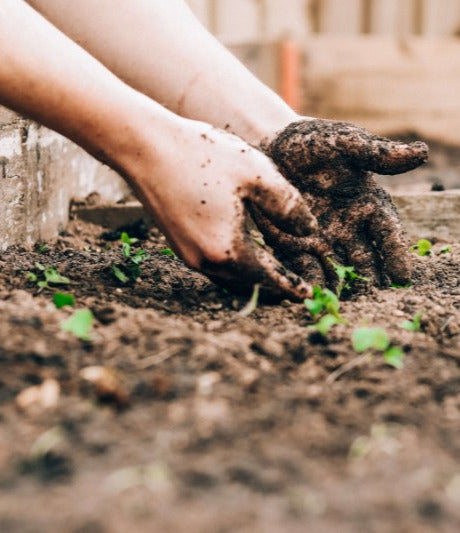
This is where the right growing medium makes a real difference. A specially prepared wildflower topsoil helps create the right balance: stable enough to support germination, but not so nutrient-rich that it overwhelms the seed mix.
When used with a well-chosen wildflower seed mix, it sets the stage for long-term success rather than short-term growth.
It doesn’t need to be perfect
One of the most common misconceptions about wildflower gardens is that they need to look like a picture from day one. In reality, they evolve over time.
The first year can be unpredictable. Some species establish quickly, others take longer to appear. You might see patches of colour alongside areas that look a little sparse. That’s completely normal.
By the second and third seasons, the space often becomes more balanced and self-sustaining, with plants naturally reseeding and adapting to the conditions of your garden.
The key is patience. Wildflower spaces aren’t designed for instant perfection; they’re designed for long-term change.
Good for wildlife, good for people
The benefits of wildflowers aren’t limited to insects and birds. People feel them too.
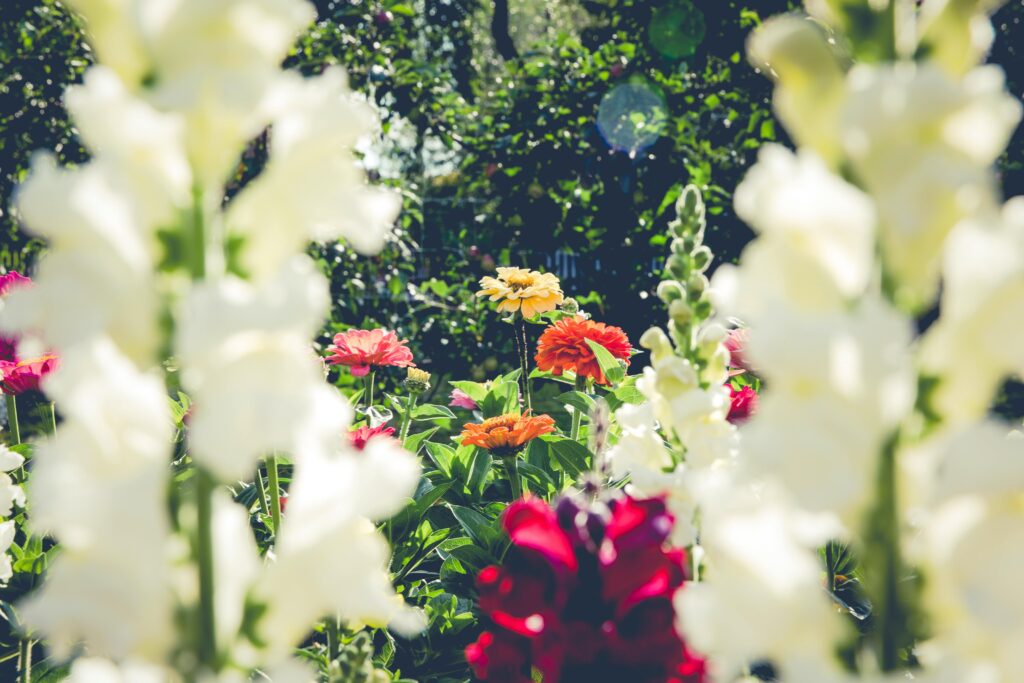
A wildflower space introduces movement, colour and seasonal change in a way that a traditional lawn often doesn’t. It creates a softer, more natural feel in the garden and can become a place to pause and observe rather than maintain and manage.
Getting started
Creating a wildflower area doesn’t require a complete garden overhaul. It can be as simple as converting a small patch of lawn or preparing a border.
In most cases, success comes down to three key steps:
- Preparing the ground properly, removing existing turf or vegetation
- Using a suitable wildflower topsoil to create the right growing conditions
- Sowing a balanced wildflower seed mix and allowing nature to take its course
After that, it’s largely about light maintenance: occasional watering during establishment, and an annual cut to help keep the space healthy and encourage regrowth.
A more resilient garden
As weather patterns become more unpredictable, many gardeners are looking for ways to create more resilient outdoor spaces. Wildflower areas naturally adapt to changing conditions better than heavily managed lawns.
They tend to cope well with periods of drought, support soil structure over time and reduce the need for ongoing effort or frequent watering.
In summary
A wildflower space is one of the simplest, most rewarding additions you can make to a garden. It supports wildlife, improves biodiversity, reduces maintenance and brings a sense of seasonal beauty that changes throughout the year.