Tips for Growing Potatoes
Prepare the ground
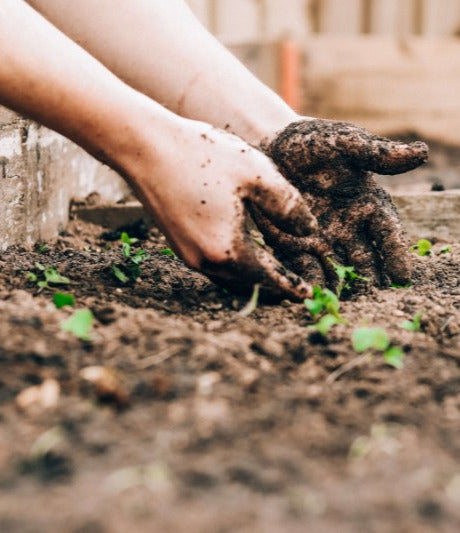
Before planting remove any large stones and check your soil condition - you may want to dig in a little manure or Cow Compost to enrich the earth. Potatoes love acidic soil but be careful not to overdo it.
Chitting
Chitting is the first step when growing potatoes. This process encourages shoots to sprout from your chosen variety of potatoes. For best results, chit your potatoes by popping them in an egg carton and putting them on the windowsill in a sunny and warm position. Start around six weeks before you plan to get going outdoors. You can plant out when the shoots are around 2 cm.
Planting out
Potatoes can be planted out from mid-March to early April, when the ground has started warming up. Be careful not to plant out if your soil is too wet or waterlogged. It’s better to wait and allow the soil to drain and dry out rather than risk your potatoes rotting before you even start! Dig trenches about 12 cm deep and plant your chitted potatoes (with the shoots facing up) 30 cm apart to allow for growth.
Watering
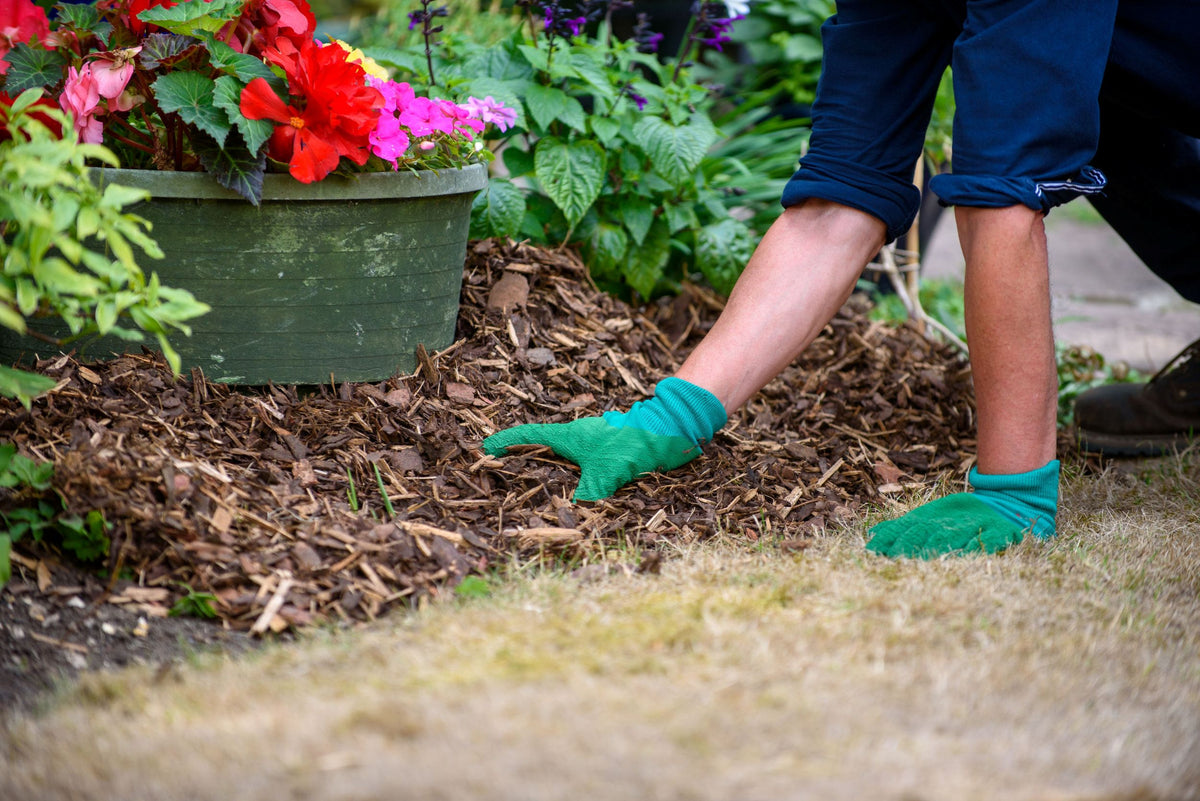
Watering is essential for growing potatoes successfully. Keep the soil consistently moist but not waterlogged, as excessive moisture can lead to rotting. It is better to water deeply on a regular basis than lightly and often. Mulching can prevent weed development and aid in the retention of soil moisture around the plants.
Banking or earthing up
After planting cover your potatoes over and when you start to see shoots, be sure to “bank” or “earth” up your crop with new compost. This shields growing tubers from sunlight, lowering the risk of greening and raising the yield. Hilling also gives the plants more support and aids in weed control. It may be a good idea to sprinkle a layer of woodchip around the plants too which will act as an added weed suppressant as well as deterring slugs and snails.
Pests and diseases
Potato plants can sustain serious harm from common pests like slugs and aphids. Regularly check on your plants and take necessary steps to control pests. When possible, use organic pest control techniques such as sticky traps and pheromone traps. To reduce the danger of bacterial or fungal diseases, you should also rotate your crops and select potatoes varieties that are resistant to disease.
Best soils for growing potatoes
- Sandy Soil: Because it heats up rapidly in the spring and has adequate drainage, sandy soil is perfect for early potatoes.
- Loamy Soil: Is ideal for growing the majority of potato varieties because it retains moisture while providing great drainage.
- Clay Soil: Clay soil can store moisture and provides a consistent supply of nutrients if it is properly treated with organic matter.
- Raised Beds: Because they provide better control over soil conditions, they are ideal for regions with heavy soils or limited drainage.
Harvesting
The flowers and foliage are the best way to tell if your potatoes are ready. Both early potatoes or later crops can be dug up a couple of weeks after the flowering finishes, or the foliage dies back. If you’ve planted early potatoes, they can be harvested and eaten straight away.
Your main crop should be ready to harvest between June and September, depending on the varieties you’ve chosen. If you plan to store potatoes, be sure to cut the foliage down to ground level a couple of weeks before you plan to harvest as this gives the skins time to harden.
Ease the potatoes up carefully using a fork, letting the soil fall away, before giving them a good wash. If you’re planning to store don’t wash them and let them ‘air dry’ in a single layer in a shady spot before keeping in a cool, dry place. You can also keep a few potatoes ready for chitting next season!
Order everything you need to grow your own potatoes, from our Vegetable Compost to Garden Tools and Storage Sacks.